
Board of Ed. v. Rowley (1982)
Outcome: FAPE
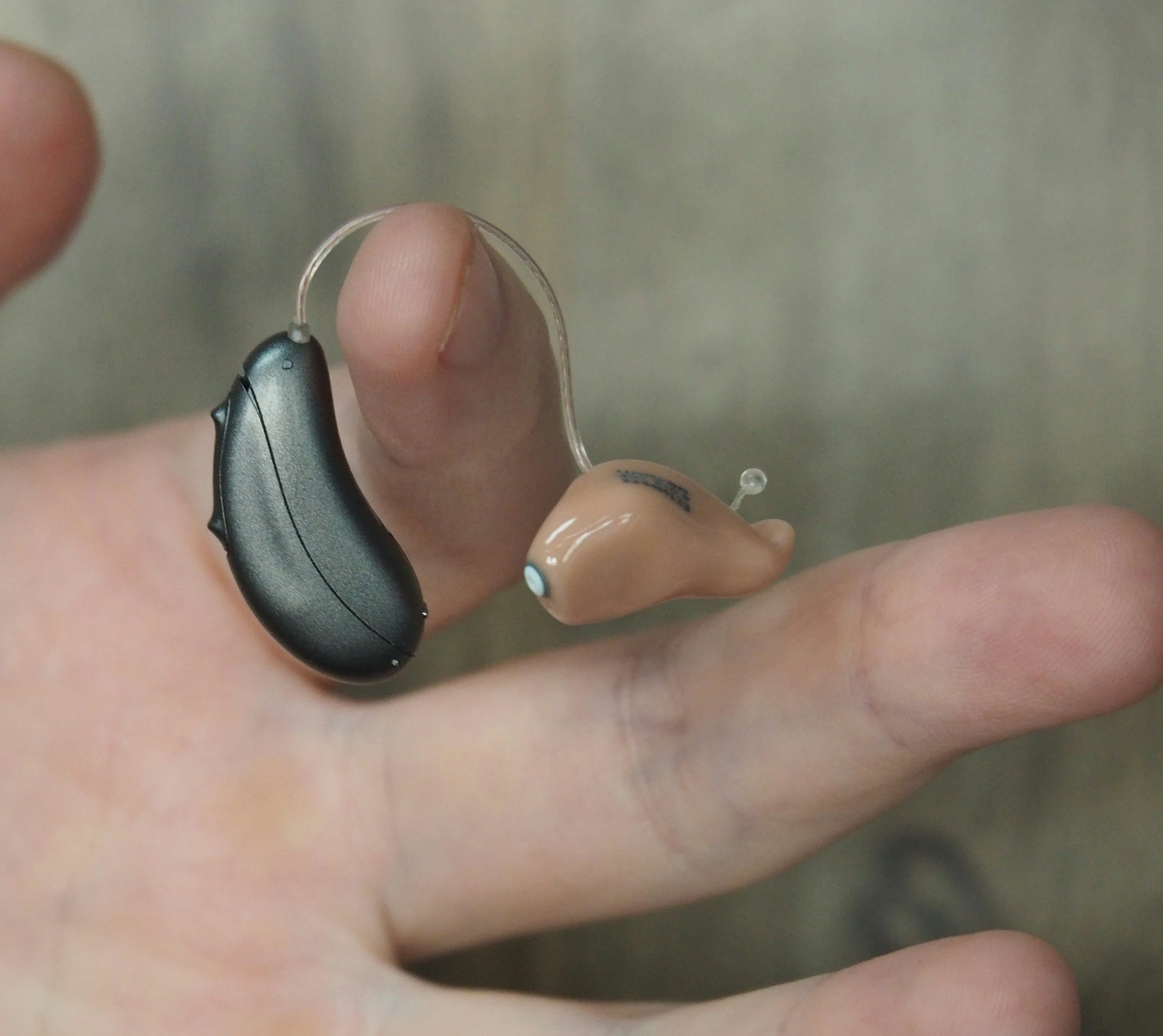
Amy Rowley, a Deaf kindergarten student, performed well academically with the assistance of a hearing aid and other supports. Amy’s parents requested a sign language interpreter for their daughter in school, but were denied. The Supreme Court ruled that the Individuals with Disabilities Education Act (IDEA) requires schools to provide students with a free appropriate public education (FAPE), which isn’t always the best possible education, or to provide some educational benefit. Since Amy was doing well in school, the Supreme Court ruled that she was receiving an adequate education and didn’t require the requested interpreter (Yell et al., 2007).
Primary Disability: Hearing Impairment and Deafness
IDEA/ESSA Impact: This laid the framework for FAPE and clarified that schools are not required to maximize a student’s potential but provide meaningful benefit through an appropriate individualized education plan (IEP) (Yell et al., 2007). FAPE is an essential component of IDEA. This case ensures that while schools may not provide the maximum benefit, the Every Student Succeeds Act (ESSA) requires them to provide a meaningful education.
For more information:https://supreme.justia.com/cases/federal/us/458/176/
Reference
Yell, M. L., Katsiyannis, A., & Hazelkorn, M. (2007). reflections on the 25th anniversary of the U.S. Supreme Court’s decision in Board of Education v. Rowley. Focus on Exceptional Children, 39(9), 1–12.
What Sets Us Apart
People-First Approach
Everything we do is built around understanding your needs and helping you succeed—because when you thrive, so do we.
Long-Term Relationships
We’re not just here for the now. We love creating lasting relationships with our clients and growing with them over time.
Proven Process, Flexible Execution
We bring structure where it counts and adaptability where it matters. Our methods are clear, but always responsive.